Human-Centered Design Summer Camps
2 years, 5 camps
Design Solutions for Others
The Idea
Today’s students will inherit complex problems that rarely have one right answer. Solving them means working through what real people want, what they need, and what limits them. Yet most high school design and engineering classes ask students to build something without first asking who it’s for. Projects are judged on whether they work, not on whether they work for anyone in particular, and the user often turns out to be the student. Human-centered design starts from the opposite end: find the unmet needs of a specific group of people, then develop solutions with them in mind. Both camps were built around that order. Students studied a specific audience before they made anything, kept that audience at the center of every decision, and tested their work with other people before calling it done. Along the way they practiced the skills employers look for in any field: listening, collaborating, working through ambiguity, and treating failure as part of the process.
Each camp paired the Siebel Center’s HCD framework with a different field, so students saw the same process work in two very different places.
One Process for Two Different Camps
Engineering Focused
People Designing for People
How would you redesign an everyday object for someone with different needs?
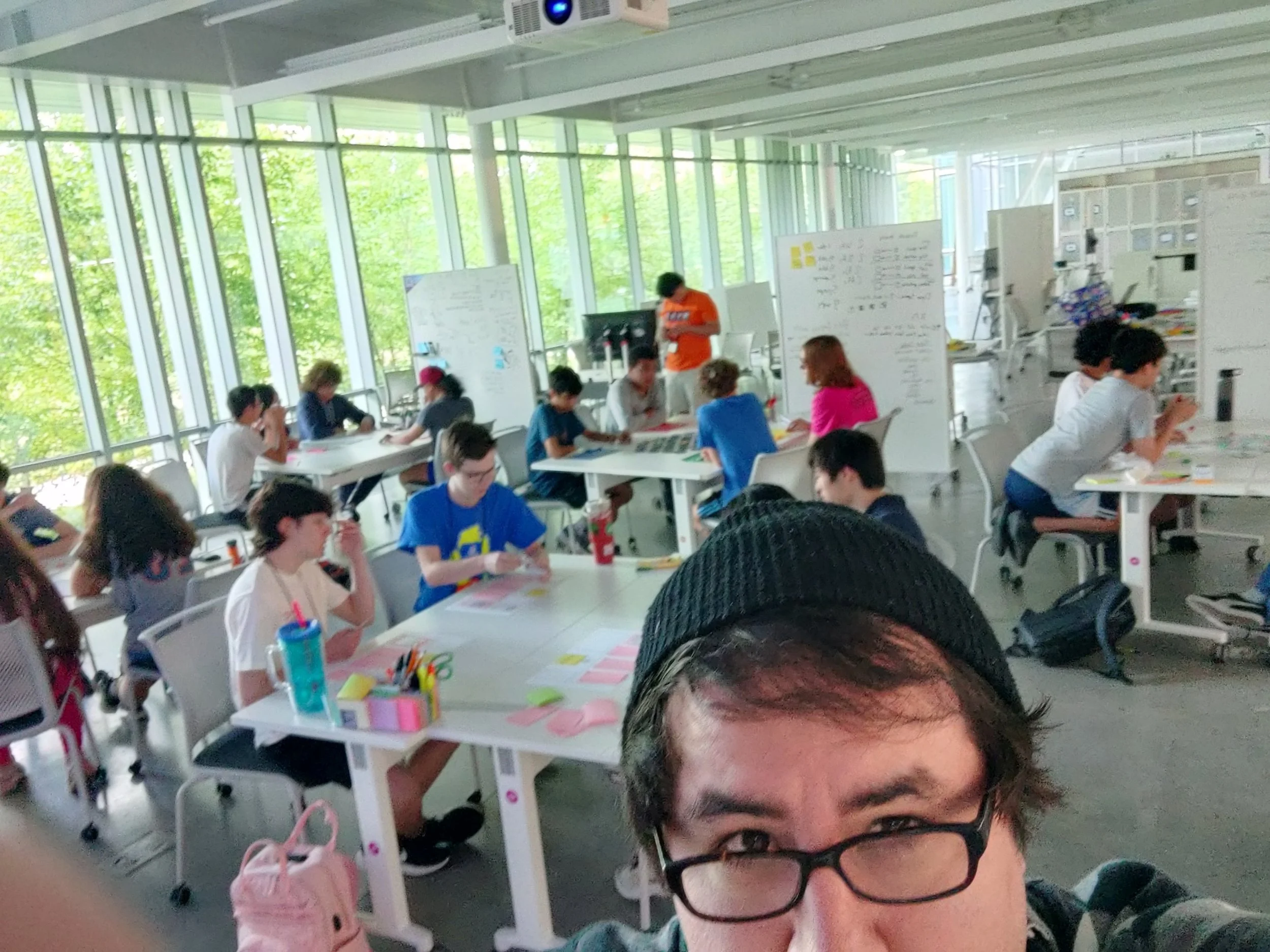
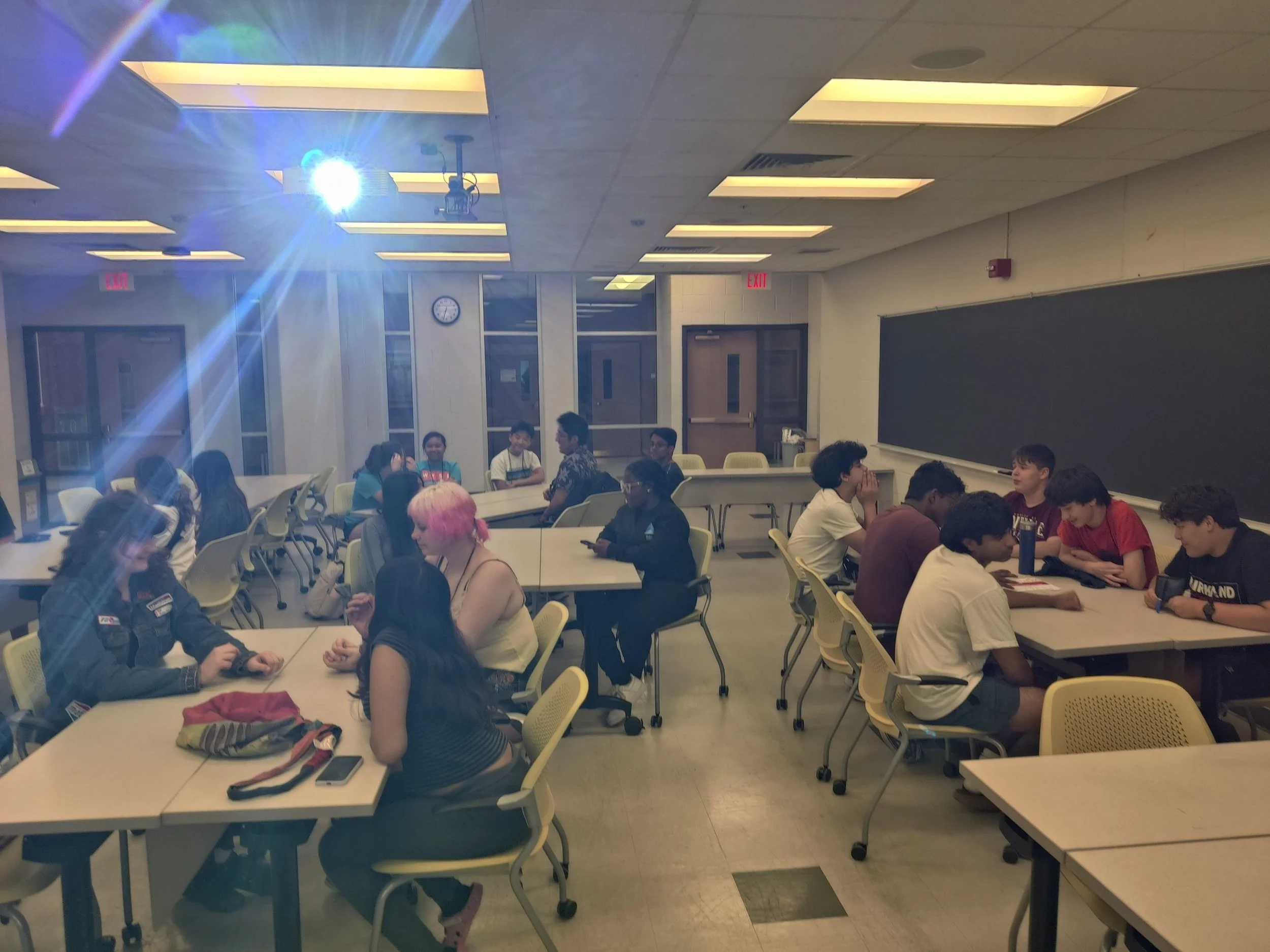
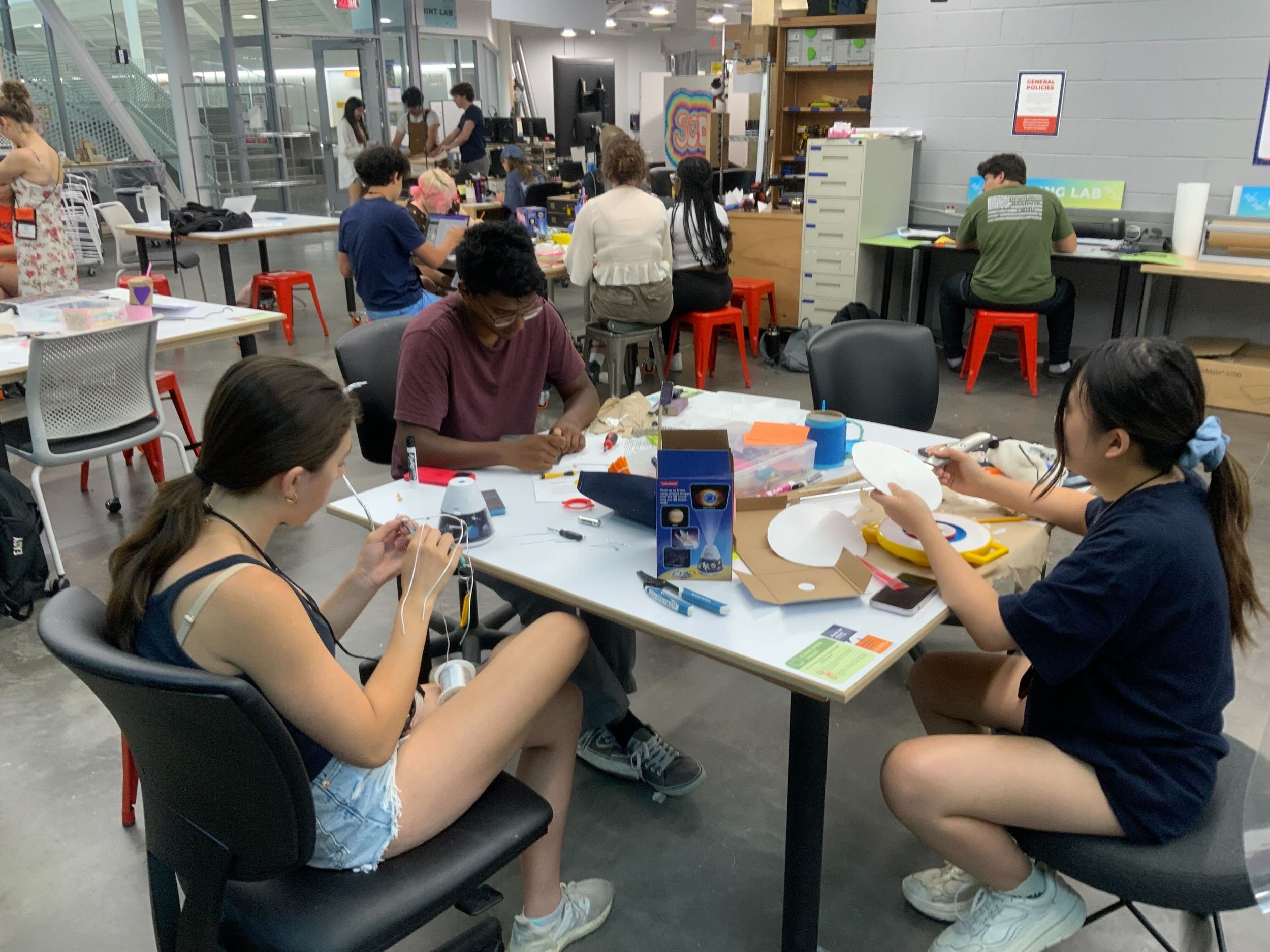
Engineering is often taught as making things work. This camp asked students who a thing works for. After an introduction to HCD, teams picked an everyday object and redesigned it for a specific audience whose needs the original design overlooked.
Goals
Learn what HCD is and how engineers use it; research a specific user group; turn their needs into design requirements
Project
A redesigned everyday item for a chosen audience
Format
Ran for two years, with the curriculum revisions for each session
Iteration
Weeklong full-day sessions, prior experience not required, multiple background interests encouraged
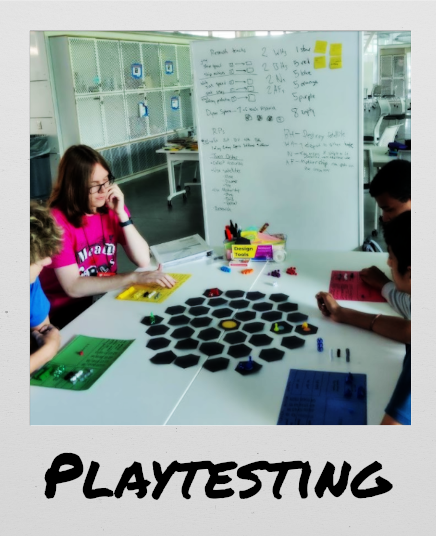
Week-long camps that taught high schoolers to design games for real people.
Gaming Focused
Human-Centered Game Design
What makes a game work for its players, not just its designer?
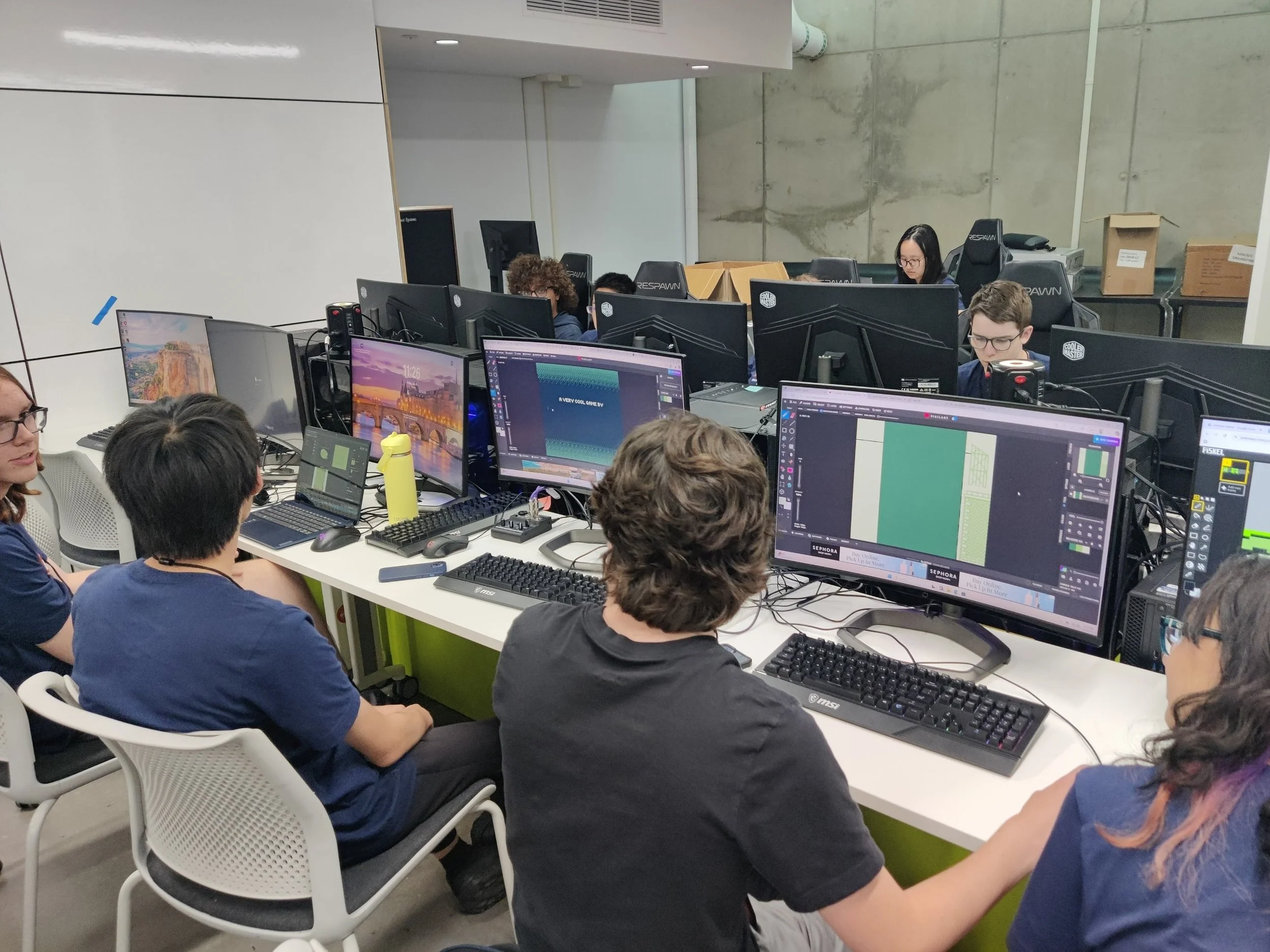
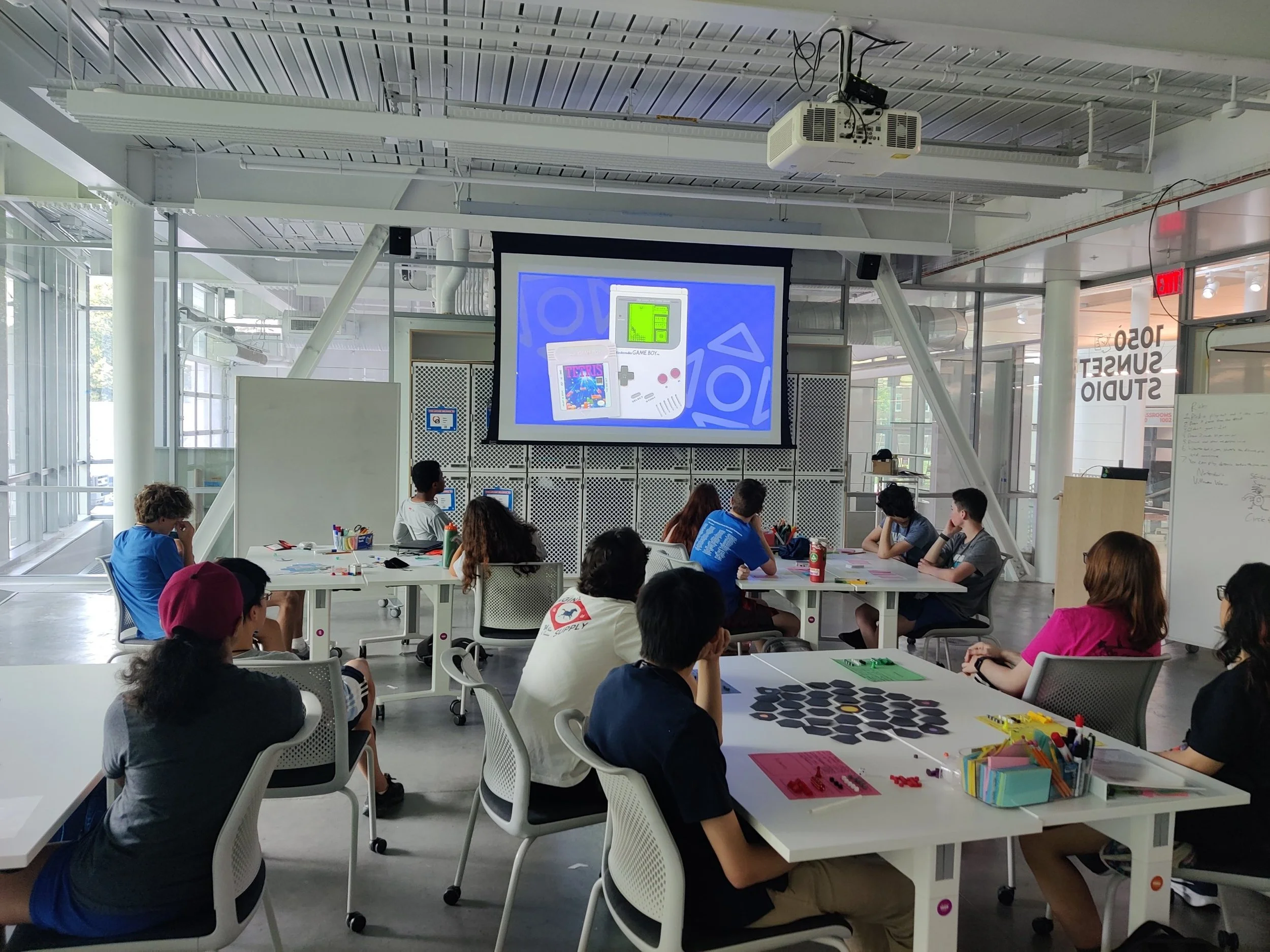
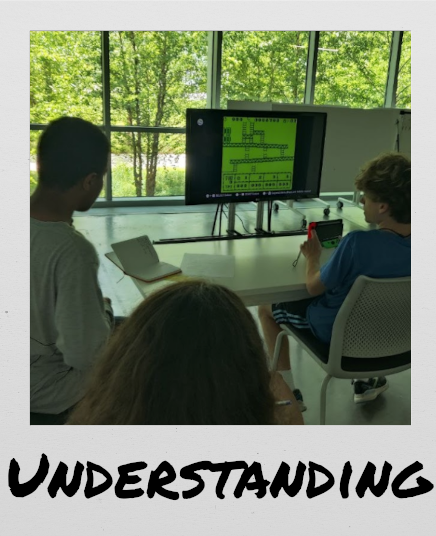
Most game design classes start with code. This camp started with players. Students learned how games are made and who makes them, then designed for an audience other than themselves: younger kids learning a science topic.
Goals
Learn the game design process and frameworks like MDA; apply HCD to games; build in real game-making tools. Think about games more deeply.
Project
A tabletop game teaching a STEM topic (astronomy, evolution, digital security or ecosystems), then a playable digital game
Tools
Paper prototyping, GB Studio, Aseprite
Format
Full-day sessions for a week, no prior experience needed
In the game camp, I studied how students approach designing for children and for learning, and how their views on empathy in design changed over the week.
Students rated the game camp highly in WYSE’s program surveys. Our own pre- and post-camp surveys showed growth in confidence and knowledge, both in game design and in why empathy matters when designing for others. Because students designed from questions instead of a set assignment, their games were more varied and more closely tied to what their players needed.
Results